
The food system in Malta has a direct impact on the lives of the Maltese people and residents in Malta. It affects public health, environmental sustainability, national resilience, and the livelihoods of those within the food industry, including farmers, fishers, food processors, food retailers, distributers and those employed in the catering sectors. Various Government initiatives have been put in place to address food system issues, such as income support programmes to reduce poverty and food insecurity, assistance measures for our farmers, fishermen and food producers, and the launch of a price stability assurance scheme, Stabilità, in February 2024, as well as various health and nutrition linked initiatives; however, challenges still exist.
Malta’s food system impacts various sectors like agriculture, fishing, and aquaculture, while also influencing public health through areas such as nutrition and obesity. The government has put in place targeted strategies for each of these sectors, recognising the different issues and challenges each one faces. The need for a national food strategy embodies an integrated approach acknowledging the interconnected reality of these sectors.
Malta’s food system impacts various sectors like agriculture, fishing, and aquaculture, while also influencing public health through areas such as nutrition and obesity. The government has put in place targeted strategies for each of these sectors, recognising the different issues and challenges each one faces. The need for a national food strategy embodies an integrated approach acknowledging the interconnected reality of these sectors.
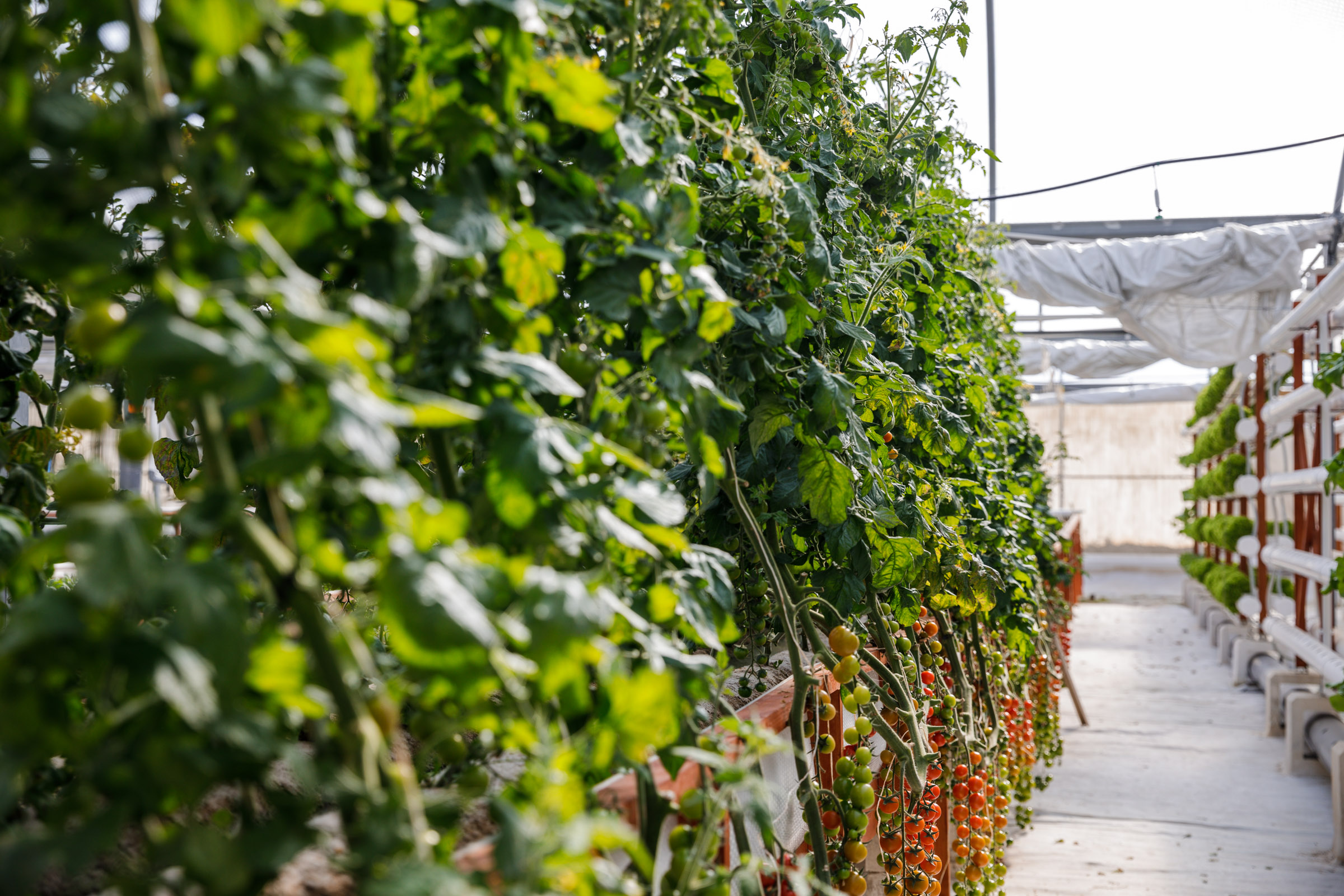
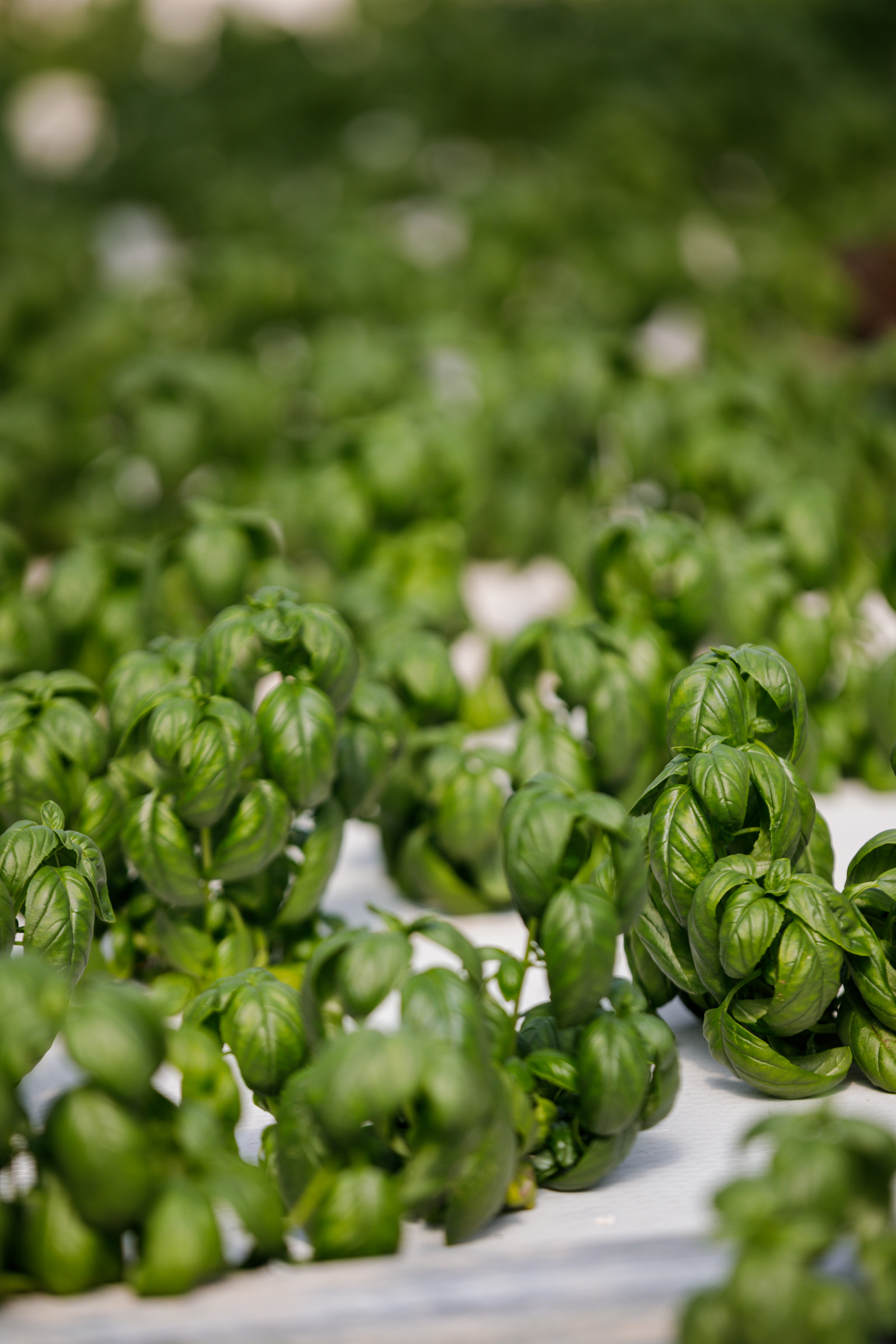
Reviving sectors like agriculture, fishing, and aquaculture, which face substantial challenges, is a priority. With 70% of Malta’s food being imported, there is a significant opportunity to boost the economic viability of local production. This involves bolstering the infrastructure, promoting innovation, and creating a demand pull from consumers for locally produced foods. Concurrently, securing a diverse and resilient supply chain is paramount, especially considering Malta’s rapid and projected population growth. This approach factors in the continued, non disrupted access to food, balancing our reliance on local produce with necessary supply to meet local market demand.
Public health areas, especially nutrition and obesity, also need to be considered in terms of how they are being affected by the entire food system. The approach here is to secure the quality of local food production, effectively bridging the gap between farms, markets, and Maltese families. Emphasis must be placed on establishing quality standards, promoting local produce, enhancing food literacy, and creating food environments conducive to healthier food choices.
Public health areas, especially nutrition and obesity, also need to be considered in terms of how they are being affected by the entire food system. The approach here is to secure the quality of local food production, effectively bridging the gap between farms, markets, and Maltese families. Emphasis must be placed on establishing quality standards, promoting local produce, enhancing food literacy, and creating food environments conducive to healthier food choices.
The social, health, environmental, and economic aspects of food systems are interdependent, and the best solutions will consider the broader linkages across food systems. To build a healthier and more sustainable food system, it is essential to collaborate across Government, business and society to work toward mutually reinforcing goals. This approach will increase the collective capacity of all actors in the food system to create a food system that supports people and the economy.
Integrating these varied efforts into a cohesive and resilient strategy paves the way for Malta towards a sustainable food system adaptable to meet the needs of its citizens, both now and in the future. It presents an opportunity to create a food system that is robust, responsive, and well prepared for the challenges that lay ahead.
Integrating these varied efforts into a cohesive and resilient strategy paves the way for Malta towards a sustainable food system adaptable to meet the needs of its citizens, both now and in the future. It presents an opportunity to create a food system that is robust, responsive, and well prepared for the challenges that lay ahead.
Follow Us on Facebook
Lorem ipsum dolor sit amet, consectetur adipiscing elit, sed do eiusmod tempor incididunt ut labore et dolore magna aliqua. Ut enim ad minim veniam, quis nostrud exercitation ullamco laboris nisi ut.