
Our relationship with food is complex, shaped by biological needs, cultural practices, and psychological influences. Eating requires deliberate action—acquiring, preparing, and consuming what sustains us. This necessity has evolved into a social activity, with meals often serving as the centrepiece for gatherings and shared experiences.
In the modern era, the simplicity of eating has been overshadowed by the variety of available foods, many of which far removed from their natural origins. This transformation has shifted our diets from traditional patterns to ones filled with new “foods” and “snacks,”.
In the modern era, the simplicity of eating has been overshadowed by the variety of available foods, many of which far removed from their natural origins. This transformation has shifted our diets from traditional patterns to ones filled with new “foods” and “snacks,”.
Eating is now often accompanied by psychological and emotional complexities. Concerns about health and nutrition can turn eating into a source of anxiety and guilt rather than nourishment and pleasure. This focus on dietary components over the enjoyment and cultural significance of food has led to a phenomenon known as ‘nutritionism.’
In response, there is a growing movement to reclaim the joy and simplicity of eating by promoting whole foods and traditional diets. This perspective encourages mindful eating, where the pleasure of food and the communal joy of shared meals coexist with healthy choices.
In response, there is a growing movement to reclaim the joy and simplicity of eating by promoting whole foods and traditional diets. This perspective encourages mindful eating, where the pleasure of food and the communal joy of shared meals coexist with healthy choices.
Achieving this balance is challenging, especially in the fast-paced modern world. The convenience of fast food, pre-packaged meals, and home delivery often comes at the expense of good nutrition and mindful eating. Local food cultures worldwide, including Malta’s rich culinary heritage, are being overshadowed by ultra-processed and fast foods. This shift has serious health implications, as ultra-processed foods are linked to noncommunicable diseases such as cardiovascular disease, cancer, and diabetes, contributing to millions of deaths annually.
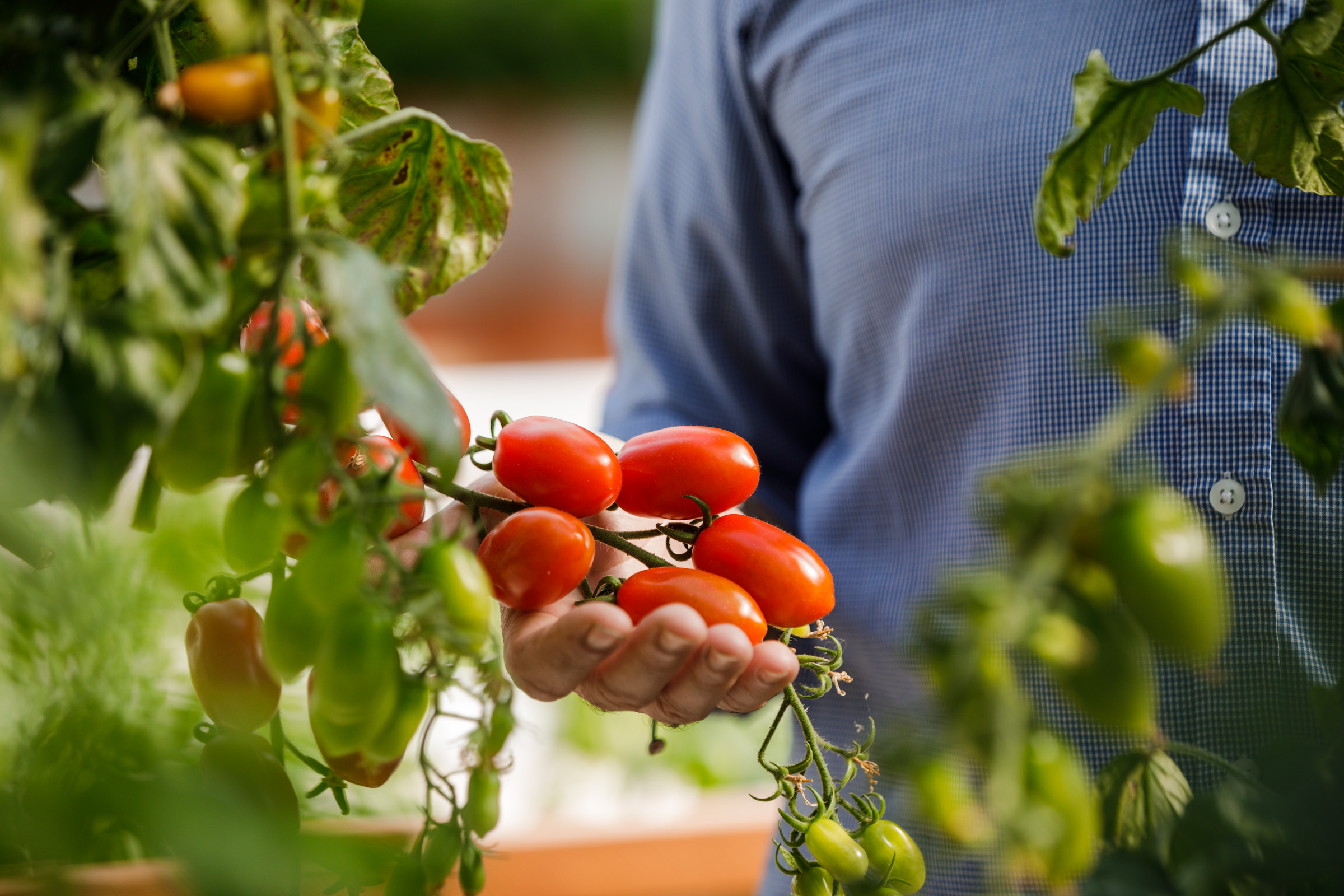
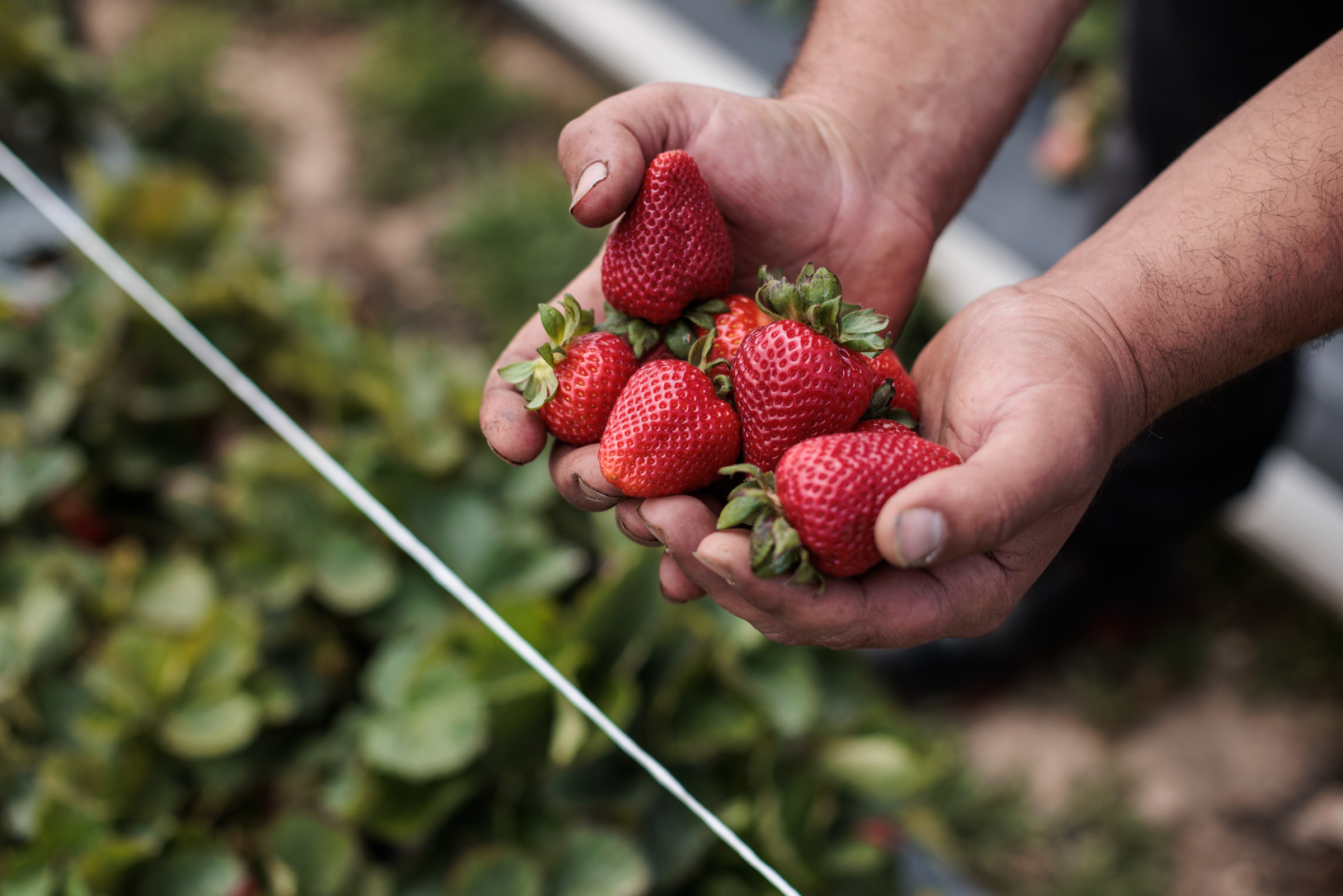
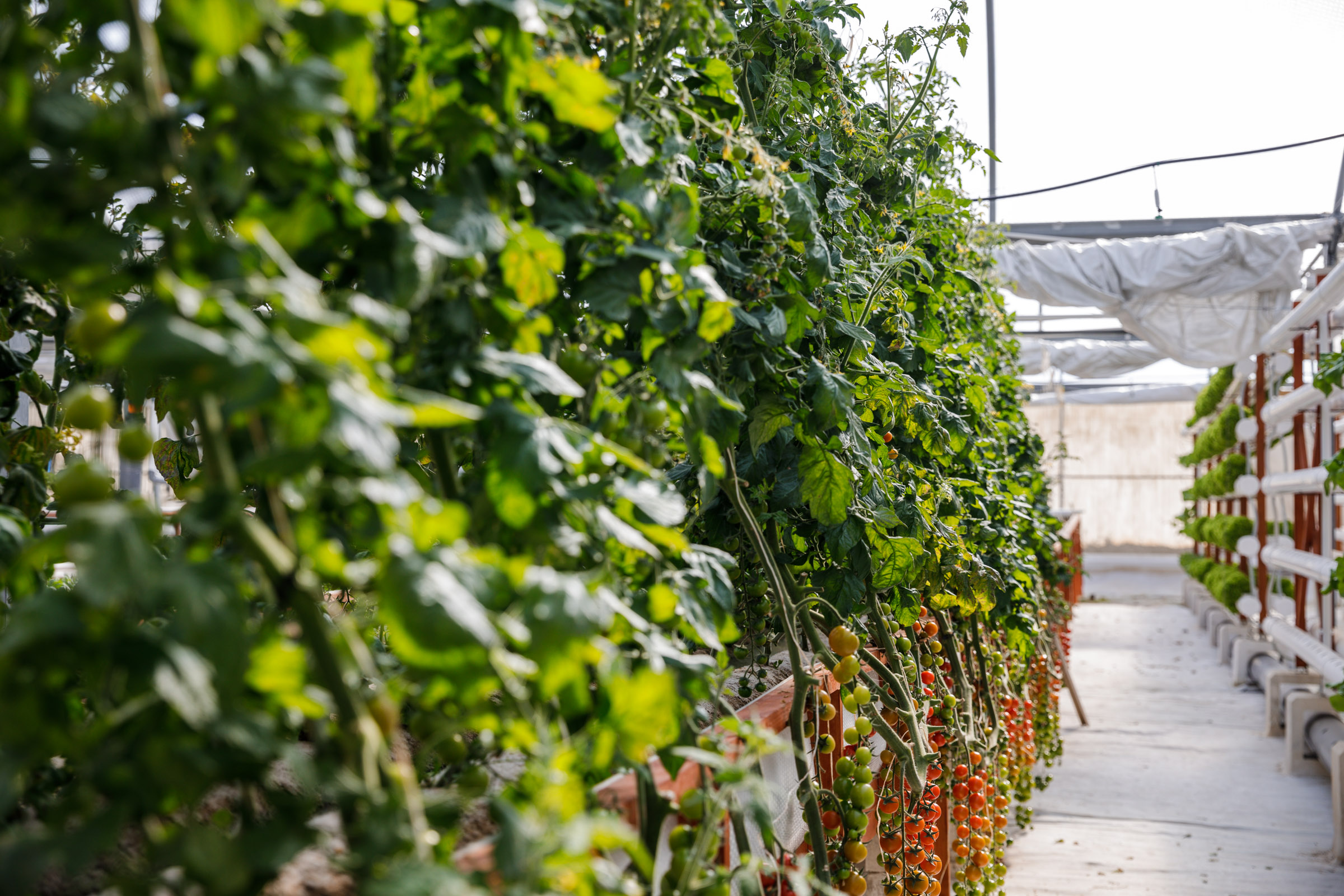
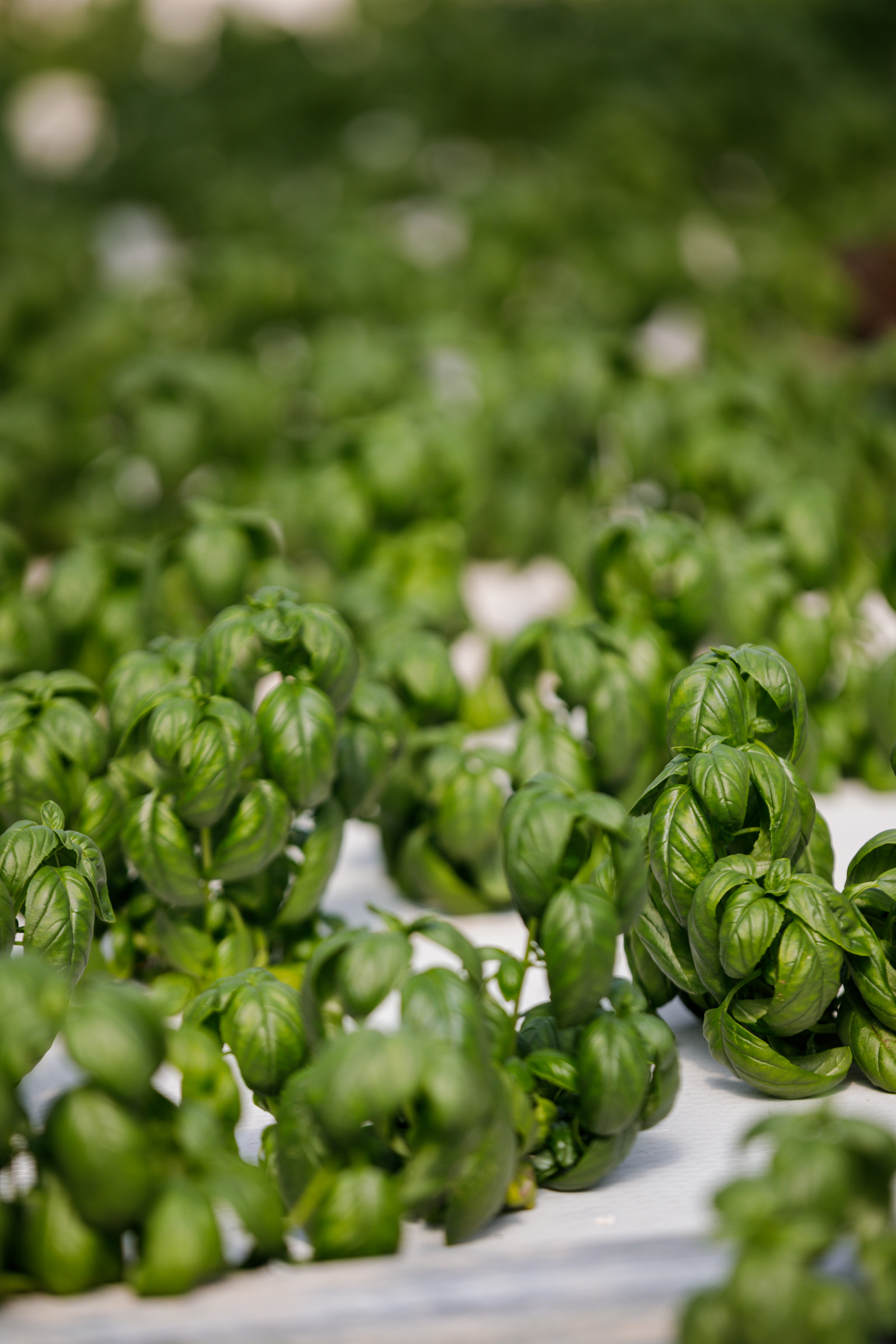
The Mediterranean diet, characterized by high consumption of vegetables, fruits, whole grains, legumes, nuts, and olive oil, represents a balanced and nutritious dietary pattern. This diet, prevalent in Malta and other Mediterranean regions, includes moderate amounts of fish and poultry, limited dairy and red meat, and moderate wine consumption. Celebrated for its health benefits, the Mediterranean diet is associated with lower risks of heart disease, metabolic syndrome, diabetes, and certain cancers, and promotes longevity.
There is a pressing need for Malta to reinvigorate pride in its local produce. Historically, Maltese produce, such as the Maltese orange, was renowned for its exceptional quality. While Malta is unlikely to ever be self-sufficient in terms of food, boosting local offerings can benefit agricultural and fishing communities while reducing our dependency on imports.
There is a pressing need for Malta to reinvigorate pride in its local produce. Historically, Maltese produce, such as the Maltese orange, was renowned for its exceptional quality. While Malta is unlikely to ever be self-sufficient in terms of food, boosting local offerings can benefit agricultural and fishing communities while reducing our dependency on imports.
Follow Us on Facebook
Lorem ipsum dolor sit amet, consectetur adipiscing elit, sed do eiusmod tempor incididunt ut labore et dolore magna aliqua. Ut enim ad minim veniam, quis nostrud exercitation ullamco laboris nisi ut.