Organic Food
The European Commission, under the Regulation No 2018/848, defines organic production as “an overall system of farm management and food production that combines best environmental and climate action practices, a high level of biodiversity, the preservation of natural resources and the application of high animal welfare standards and high production standards in line with the demand of a growing number of consumers for products produced using natural substances and processes.”
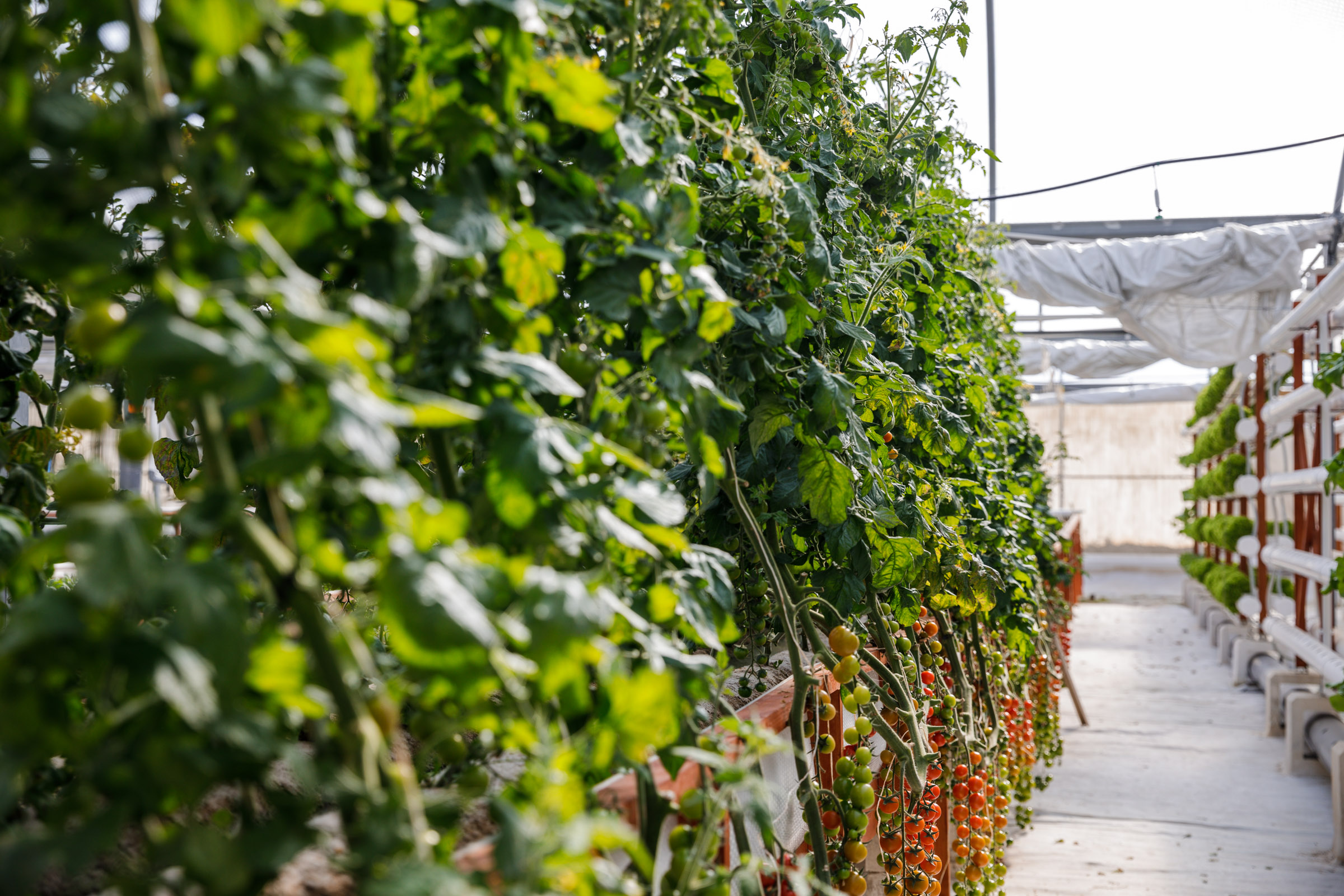
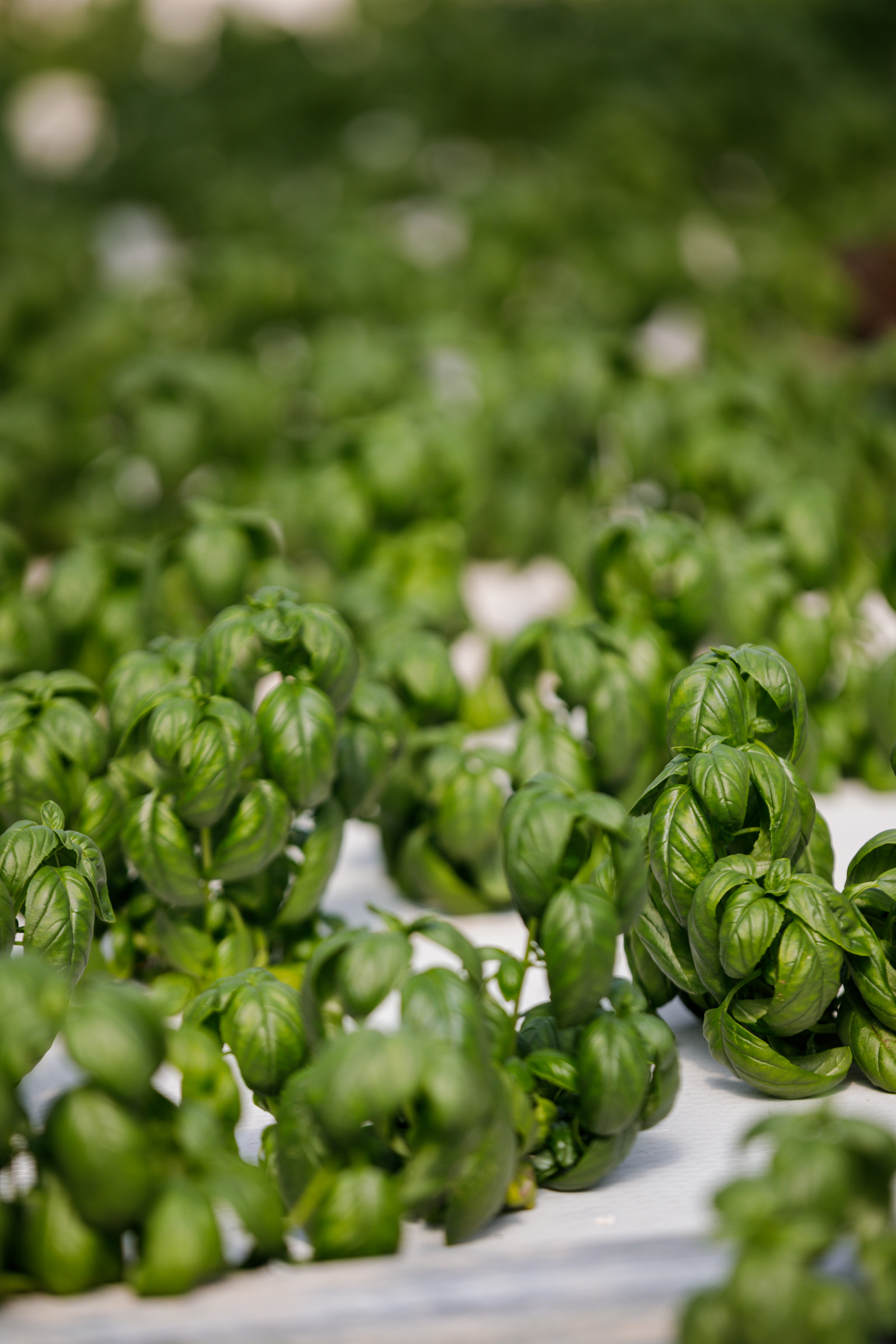
Organic farming is a particularly resource-conserving and environmentally friendly farming system based on the principle of sustainability. It mimics the natural cycles and processes of ecosystems (to the extent possible) and relies on ecosystem management rather than external agricultural inputs to support production. Organic production holds several benefits for the various stakeholders involved, ranging from the environment itself, to farmers as well as the end consumers.
Central in the EU’s Farm to Fork strategy are the objectives of at least 25% of the EU’s agricultural land to be under organic farming by 2030, and for a significant increase in organic aquaculture. Through the European Commission’s ‘Action Plan for the Development of Organic Production’, each Member State is encouraged to develop a national organic action plan to increase their share of organic farming – so that collectively, the EU can reach the 25% target. Malta is currently the EU member state with the lowest share of agricultural land under organic farming at 0.6% equivalent to 67 hectares in 2020.
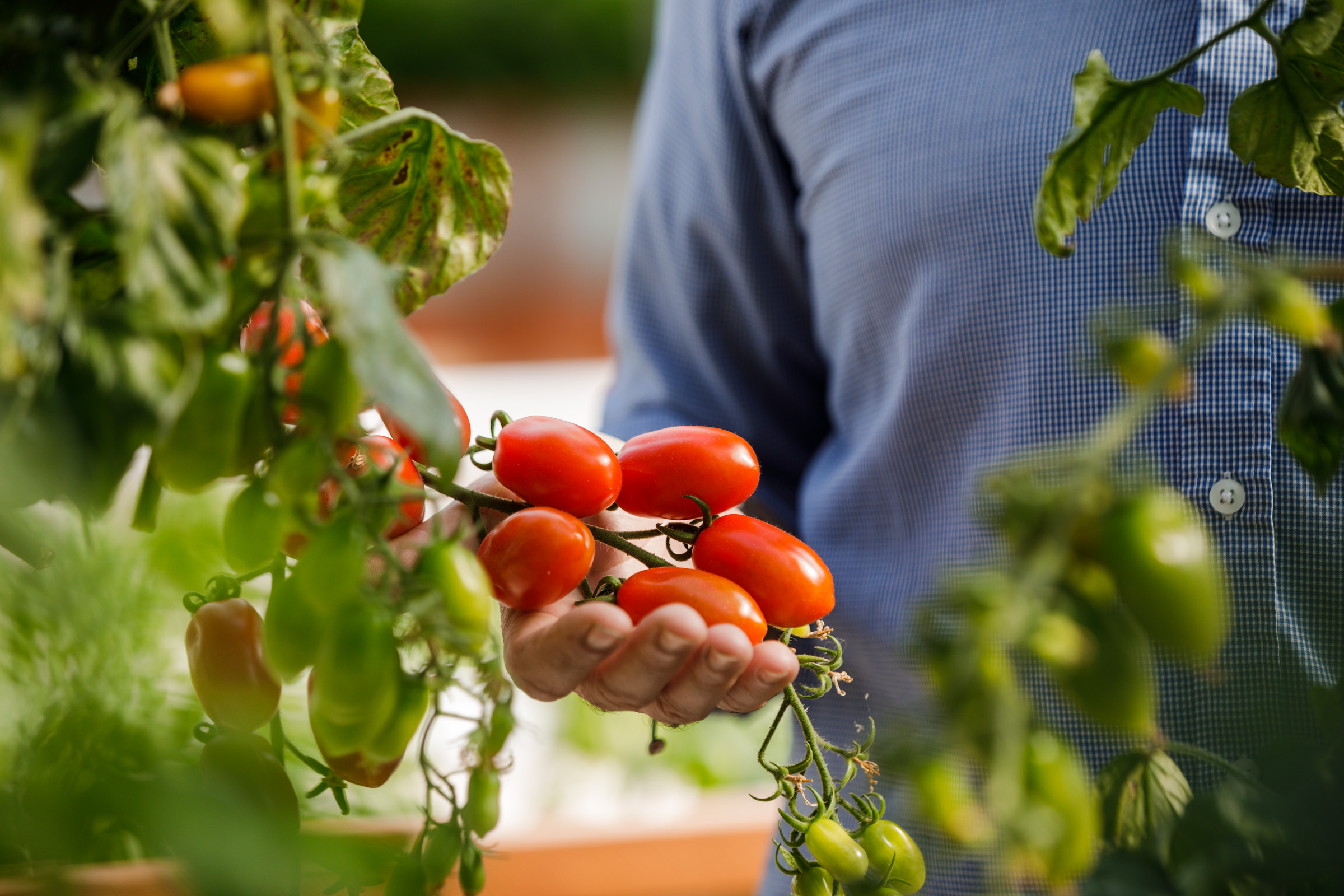
Malta’s National Action Plan for Organic Food
The vision for Malta’s first Action Plan for Organic Food is to offer consumers high quality local organic food from farming and aquaculture whilst driving sustainable income for Maltese and Gozitan producers. The ambition is to capture the whole value chain by boosting both supply and demand through various balanced measures. It includes expanding the local organic product range on offer, from fruit and vegetables to include meat, animal produce and dairy. The aim is to have a broad and diverse range of fresh, as well as processed local organic food products and food.
Malta’s Action Plan for Organic Food, revolves around 3 main pillars, strategic Objectives and indicators, carefully designed to address Malta’s challenges around access to land, finance, knowledge, and infrastructure, and to build three pillars of support, creating the right set of conditions for organic producers, policy makers, and markets to function better. At its core, our national organic action plan is driven by a vision to provide consumers with high-quality, locally sourced organic food, both from farming and aquaculture, while simultaneously fostering sustainable livelihoods for Maltese and Gozitan producers. This initiative not only aligns with our nation’s priorities on food security, but also serves as a response to the tangible threats encountered in recent years.
Central to this journey towards sustainability is the recognition that financial viability and profitability are essential pillars for the continuity of agricultural practices, all while honouring our commitment to people and the environment.
Today, the rates of financial compensation we are offering our farmers through the national Strategic Plan as an incentive to transition to organic farming – €4,377.60 and €3,614.40 per hectare per year for conversion, and €3,222 and €1,057 per hectare per year for maintenance for annual (arable) and perennial crops respectively – are some of the highest across the EU, and up to 3.6 times the rates in previous programmes.
Today, the rates of financial compensation we are offering our farmers through the national Strategic Plan as an incentive to transition to organic farming – €4,377.60 and €3,614.40 per hectare per year for conversion, and €3,222 and €1,057 per hectare per year for maintenance for annual (arable) and perennial crops respectively – are some of the highest across the EU, and up to 3.6 times the rates in previous programmes.
Malta’s National Action Plan for Organic Food
The vision for Malta’s first Action Plan for Organic Food is to offer consumers high quality local organic food from farming and aquaculture whilst driving sustainable income for Maltese and Gozitan producers. The ambition is to capture the whole value chain by boosting both supply and demand through various balanced measures. It includes expanding the local organic product range on offer, from fruit and vegetables to include meat, animal produce and dairy. The aim is to have a broad and diverse range of fresh, as well as processed local organic food products and food.